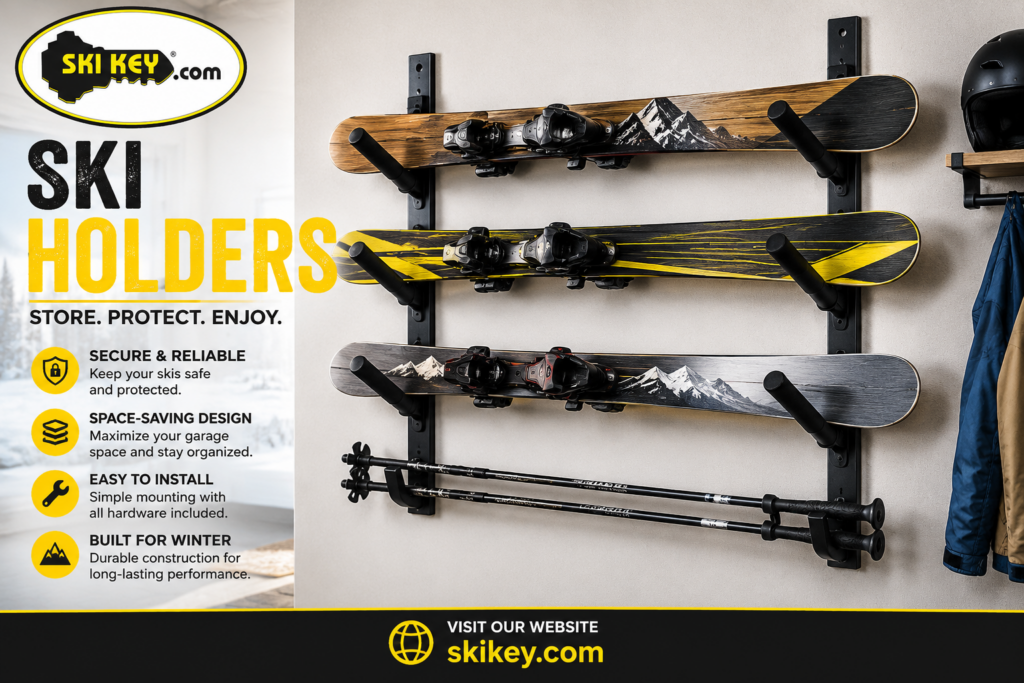
Summary: Your first skiing trip is much simpler if you know what to expect even before you get to the resort. Selecting an appropriate destination, signing up for classes, determining how you will get the equipment, dressing properly, and arranging transport are all aspects that will make things easier for you. Knowledge of lift passes, equipment storage, resort procedures, and ski holders is also vital.
It is thrilling to plan the first-ever ski trip until you begin to realize just how much needs to be considered. Selecting a mountain, scheduling ski lessons, deciding what gear to get, acclimating to the cold, and familiarizing oneself with ski resorts all require some consideration.
This initial experience does not necessarily require expensive gear and an elaborate agenda. A good place for beginners, comfortable clothing, quality gear, and sufficient time to learn are always more valuable than a full-packed agenda. Think about what you wish to do and how much help you may need on this trip before booking it.
Choose a Resort with Beginners in Mind
Different ski resorts will offer different experiences for beginners. Do not consider the resort’s size; instead, consider amenities such as beginner trails, instruction, rentals, parking, food, and transportation offered by the resort.
Choosing resorts that offer beginner terrain and a ski school will make you feel more confident when learning to ski. It is recommended that you consider the best lessons, the resort’s proximity, costs, and terrain, among other factors.
Also, take into account the duration of the vacation you intend to take. For instance, if you’re planning to try out a new sport, an overnight trip would be suitable. However, a long vacation gives enough time to practice.
You should do your research beforehand. Learn about the trail maps, class schedules, rentals, parking lots, and whether any kind of booking is required.
Book a Lesson Before You Arrive
There are some motions involved in the sport of skiing that might not be familiar to you. Skiing is a good opportunity for you to learn things about skiing through an experienced instructor.
A group lesson would be appropriate for travelers who want to learn skiing with others, whereas a private lesson can be personalized.
Booking your lesson beforehand is equally important, as it allows you to plan the rest of your day. You would know when to arrive, where to register, and how long you need to prepare.
Do not try to cram everything into your first day, since balancing, stopping, turning, and riding on lifts require your full attention. A lockable rack can also help keep your equipment organized while you attend lessons or take breaks.
Decide Whether to Rent or Buy Equipment
It could be unfeasible for novice skiers to acquire all the required equipment before their first trip if they are uncertain about their ability to ski. Renting will make it possible for novice skiers to use all of the skiing equipment without incurring huge expenses on buying.
Resorts and outdoor retail shops usually offer such services. Booking skiing equipment in advance can help make the process smoother once you reach your destination. If you have your own equipment, it is vital to know how to move it and pack your gear before going skiing. The skis take up a lot of room, and transporting a couple of things from a parking lot to a hotel can be very tedious.
And now we need the assistance of practical accessories such as ski holders. The right transportation/storage method will help you keep all your equipment in place when moving around in your car and at the resort.
Pack for Changing Mountain Conditions
Not all cold weather calls for wearing the heaviest of clothes. Layering provides more options as temperature, wind, activities, and exposure vary from one time of day to the next.
Your clothing choices should comprise:
- A moisture-wicking base layer.
- An insulating intermediate layer.
- A water-resistant top layer.
- Waterproof ski pants.
- Insulated gloves or mitts.
- Ski socks.
- A proper headwear.
- Goggles.
- Comfortable après-ski wear.
Wear anything other than cotton, which tends to absorb moisture easily. Instead, there are alternatives like wool or certain synthetic materials that would be great. If you are carrying your own equipment, ski holders can also help keep your gear organized during your trip.
Pack some extra layers of clothing. The climate in the mountains is unpredictable; even if it is sunny and bright in the morning, that does not mean it will remain so throughout the day.
Plan Your Travel to the Mountain
Skiing starts even before you reach the resort. In the event that you are planning to go solo and use your own car, you must do a little research about the weather conditions and the road conditions before you depart. You should have ample time to travel, as bad winter weather may affect your trip and parking.
Also, make sure you have enough knowledge about the resort’s parking area.
When there are several individuals on the trip, allocate roles among yourselves before you begin your travel. If one person handles navigation, the other can handle reservations or equipment. This simple arrangement helps everyone start the day in peace.
If you have opted for a long tour, consider where you will stay and how close it is to the resort.
Understand Lift Tickets and Resort Logistics
The first trip is not only about getting to the mountain. There might be a need to obtain your lift ticket or activate it. Find the place where you can rent equipment and locate your lesson area. A lockable rack may also be useful when you need a designated place for your equipment during breaks.
Collect information about the resort that you are planning to visit via their website, as most resorts offer an online purchase of tickets. Be punctual enough for you to have enough time for everything listed above without feeling rushed. Otherwise, being late might ruin your whole lesson and maybe even your whole ski hire session.
It is also worth mentioning that you should get acquainted with the trail map beforehand. After all, it’s not difficult to find the beginner tracks on the map; all you need to know is their names in different resorts.
Think About Where Your Equipment Goes When You Take a Break
You cannot carry your gear all day while skiing. There may come a time when you will be leaving your skis inside a lodge when you are eating lunch, resting, attending classes, or waiting for your group.
Learn about the ski resort’s gear storage facilities before you go. Some ski resorts offer storage facilities for your gear, while others offer ski or snowboard check services.
If you bring your own equipment, think about where you will store it when you are not using it. There is a locked rack that ensures you have a spot to store your equipment while keeping it in the right conditions.
This is even more useful when traveling in a group. Your equipment will be easy to find because it will be in one organized place.
Prepare for the Parts of Skiing That Happen Off the Slopes
There is ample time that you have on your first ski trip when you are not actually skiing. Ski holders can help keep your equipment organized during these periods.
Prepare for these periods rather than focusing only on the time you spend skiing.
Be sure to keep all important things such as your identification, money, bookings, water, and mobile phone with you at all times. Be prepared to change into dry clothes when you return, especially if you spend a lot of time outdoors.
If you are staying for a night, arrange a place to dry your wet clothes and equipment between skiing trips. This will make life simpler the next day.
Keep Your First Day Realistic
Your first ski vacation is meant to be an educational experience and not a test of endurance. You might be spending more time learning basic skills than skiing down long slopes. This is totally fine.
Give yourself some time to rest. Being tired will affect your focus and coordination, and the cold weather will make your body work even harder.
Do not succumb to the desire to ski together with your experienced friends on slopes that seem too difficult for you. Your instructor or resort employees will be able to recommend the right places to you.
The most important thing is to have fun!
Make Preparation Part of the Experience
Effective planning will certainly not take away the excitement of the ski vacation. In fact, it eliminates any unnecessary distractions.
Select a ski resort where beginners are encouraged, book classes, determine whether you should rent skis, dress appropriately, learn about how you will travel, and consider your gear before leaving home. Even minor things, like organizing your gear and deciding where you will store it during breaks with ski holders, help immensely.
Your first experience with skiing doesn’t have to be an overly complicated process. Instead, it should be carefully thought out and planned.
Planning to take your first ski trip soon? Then it’s time to find information about your location and get yourself prepared!
FAQs
1. How can I select a ski resort for beginners?
Select one with beginner-friendly slopes, experienced instructors, rental opportunities, and well-equipped resorts.
2. Is it preferable to either rent or purchase my own ski gear on the initial trip?
Renting is the most practical solution before committing to buying the equipment.
3. What kind of clothing should you pack for a ski vacation?
Your clothing should include moisture-wicking layers, insulating layers, waterproof layers, gloves, socks, goggles, and a helmet.
4. Do I need to reserve ski lessons in advance?
Yes, you do have an appropriate time for your first lesson.
5. What is the best practice for handling my ski equipment during my resort breaks?
Store your gear in designated areas or on appropriate ski racks.